
Real Proposals: 9 Sapphire Engagement Stories from Our Customers
He didn't write it down. Didn't save the conversation. Just filed it away somewhere in the back of his mind: she'd mentioned blue sapphires once, months before proposing was even a concept.
A few months later, he walked into our Melbourne workshop knowing exactly one thing—she loved blue sapphire. Everything else, we figured out together. The 1.62 ct Ceylon sapphire was the easy part. Finding the exact shade of blue that would make her stop mid-sentence when she saw it? The cluster design—mixing round brilliants with pear-shaped diamonds with a fuller look on the sides than a tapered look—came from understanding her style without her being there.

Set in yellow gold because yellow gold is a classic and natural gold colour. Low profile because she would want to personalise her wedding band herself. The proposal happened in their apartment. Nothing elaborate. He plans to hold the ring for a few months waiting for when she is least expecting, for that perfect moment of romance.
The Quiet Art of Paying Attention
That's what connects most of the engagement stories that come through our workshop—not grand gestures or elaborate proposals, but the accumulated weight of small observations over time.
Take our interstate client who designed remotely for a surprise proposal. His partner had saved a photo of a horizontal setting months ago. Mentioned loving clean lines. Pointed out a teal blue stone in our social media once. He'd catalogued it all without her knowing.

The 2.04 ct Madagascar sapphire he selected from our collection lives somewhere between ocean and forest—bluish-green one moment, greenish-blue the next, refusing to commit to either. We set it east-west in a sleek bezel, modern and architectural. Because he'd been listening when she wasn't even trying to drop hints.
Half the people who compliment the ring never consciously registered the detail. But it's there. And the person wearing it notices every single day. Years from now, someone will ask: "Wait, are those different colours?" And she'll smile and say: "Yeah. Someone was paying attention."
That's not about the ring. That's about knowing someone well enough to make choices they'll only fully appreciate over time.
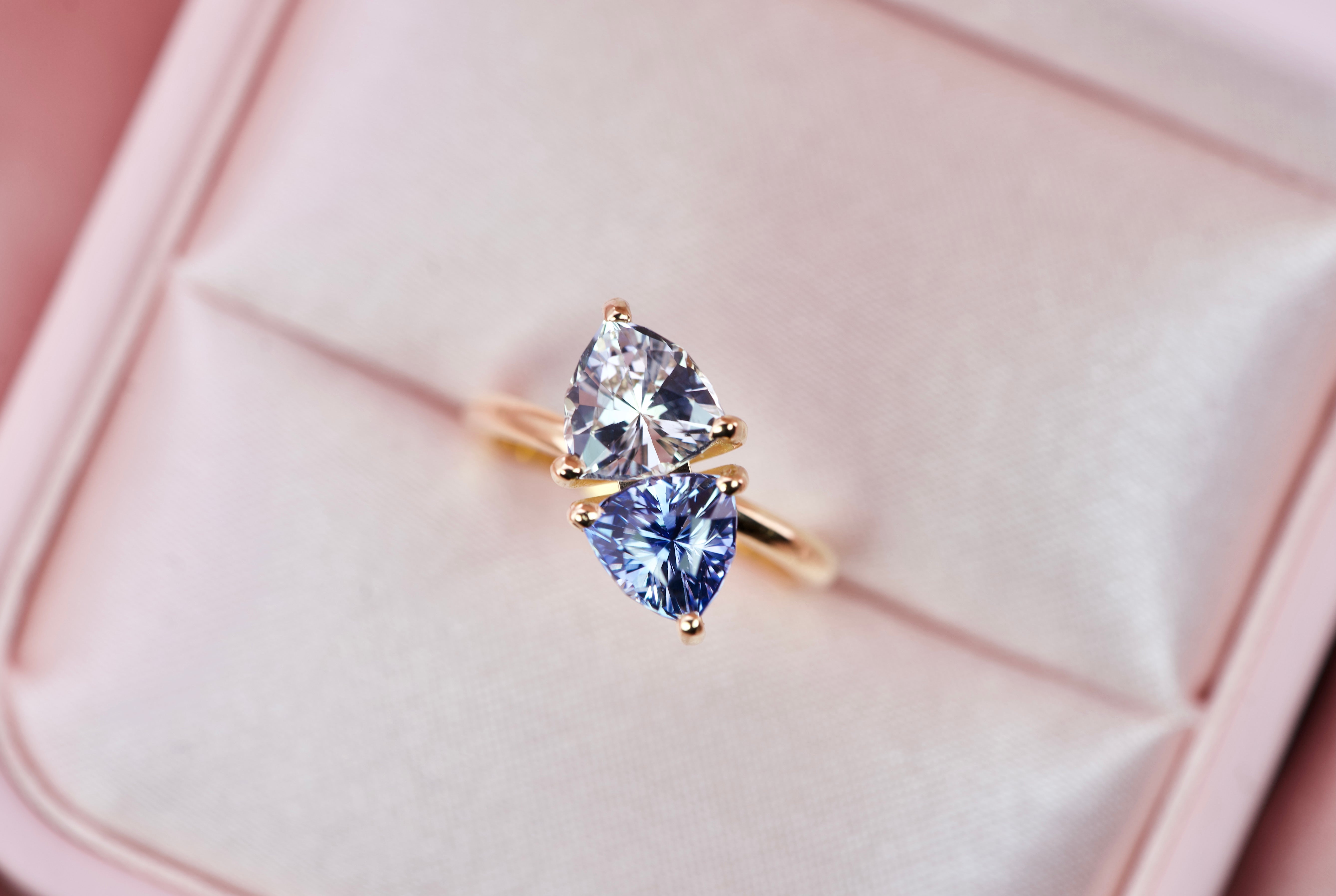
Sometimes the details people notice are so subtle that most observers miss them entirely. Like the pink sapphire trilogy ring we made last autumn, where white and rose gold work together throughout the design. The 2 carat oval Sri Lankan pink sapphire glowed at the centre, flanked by two brilliant diamonds in that classic past-present-future arrangement. But the way those two golds play against each other, highlighting the sapphire's warmth whilst keeping the diamonds crisp? That was the intention made visible.

When the Rulebook Stops Making Sense
But paying attention doesn't always mean proposing. Over the past two years, we've watched a shift happen—one the traditional engagement ring market doesn't talk about much, but one we see weekly in our workshop.
"I'm buying this for myself."
Words that reframe everything. Our client said them in her first consultation, and they weren't apologetic or defensive. Just factual. No proposal. No anniversary. No occasion except: I achieved something significant and I'm marking it with something that matters.

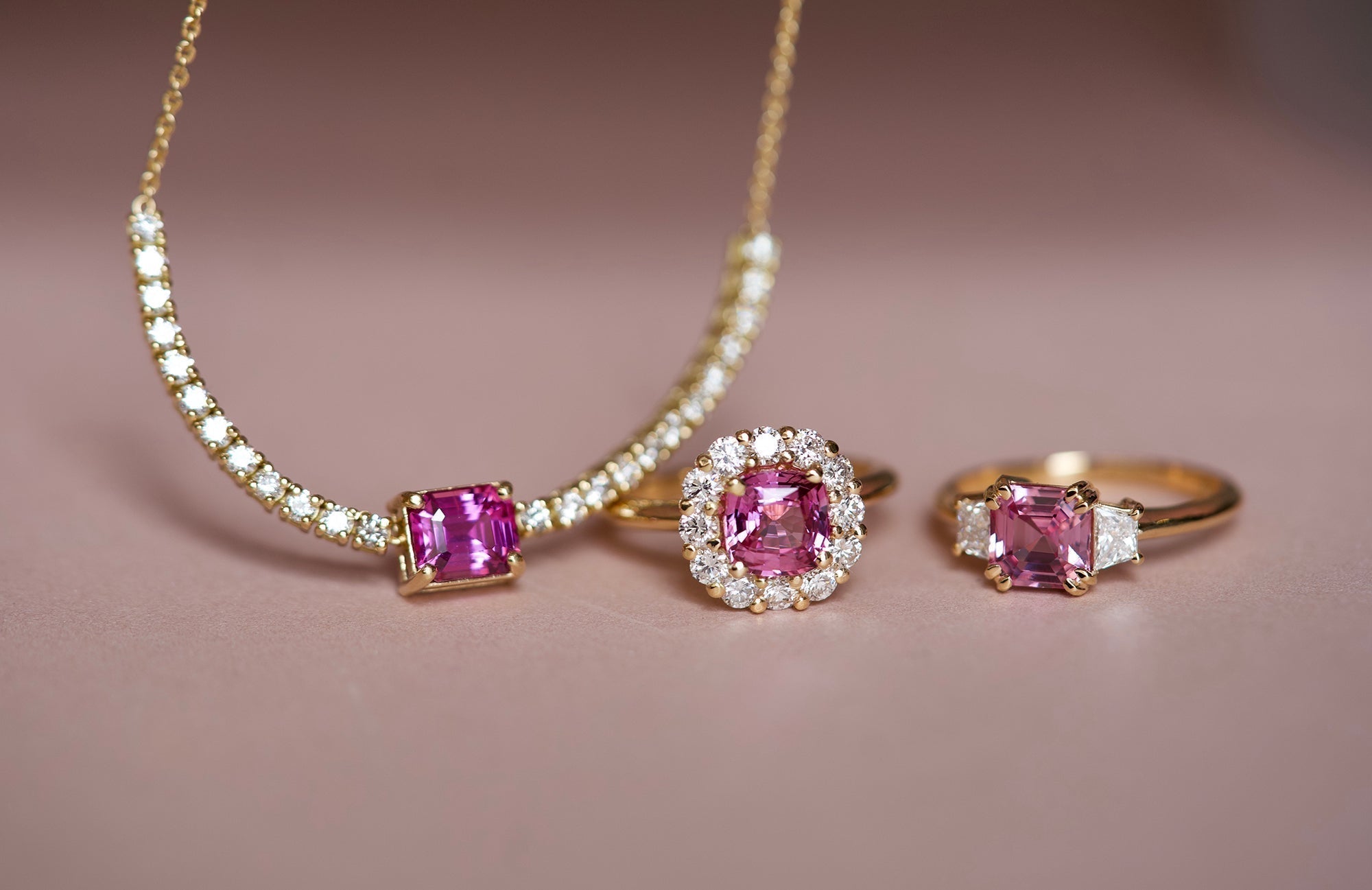
The 2.05 ct unheated Sri Lankan pink sapphire gave us that vivid, unapologetic colour she wanted. Then we built the architecture around it—inner halo of diamonds and baguettes, outer halo of 22 pink sapphires, four diamonds on each shoulder. Total diamond weight: 1.47 ct. Total impact: unmeasurable.
She wears it without explanation. When people assume engagement and ask about the proposal story, she simply says it was a gift to herself. Some people get it immediately. Others need a moment to recalibrate. Either way, she's not interested in justifying the choice. The ring speaks for itself, and so does she.
This wasn't compensating for anything or filling a void. This was deciding that milestones deserve marking regardless of relationship status. That waiting for someone else's timeline isn't mandatory. That treating yourself with serious intention—not impulse purchases or "retail therapy," but commissioning something meaningful—is its own form of power.
She's not alone. Another client came in on her 28th birthday with what she called her "sapphire archive" plan. Start with one exceptional stone. Classic blue as the foundation. Then, over years, add others. Pink for a milestone. Teal for an adventure. Yellow when the moment felt right.

The 2.22ct unheated Ceylon sapphire we sourced has this luminous sky-blue quality that shifts in different light. We set it in a sculptural half-bezel—modern, substantial, refusing to look like anything else in her jewellery box. Why would you buy yourself something like that?
Because treating yourself with intention isn't sad or strange. It's deciding your story doesn't need someone else's timeline.
Then there are the couples who look at "traditional" and decide it simply doesn't fit. Like the pair who walked in with a clear brief: "We want something warm, unexpected, maybe a little unconventional."

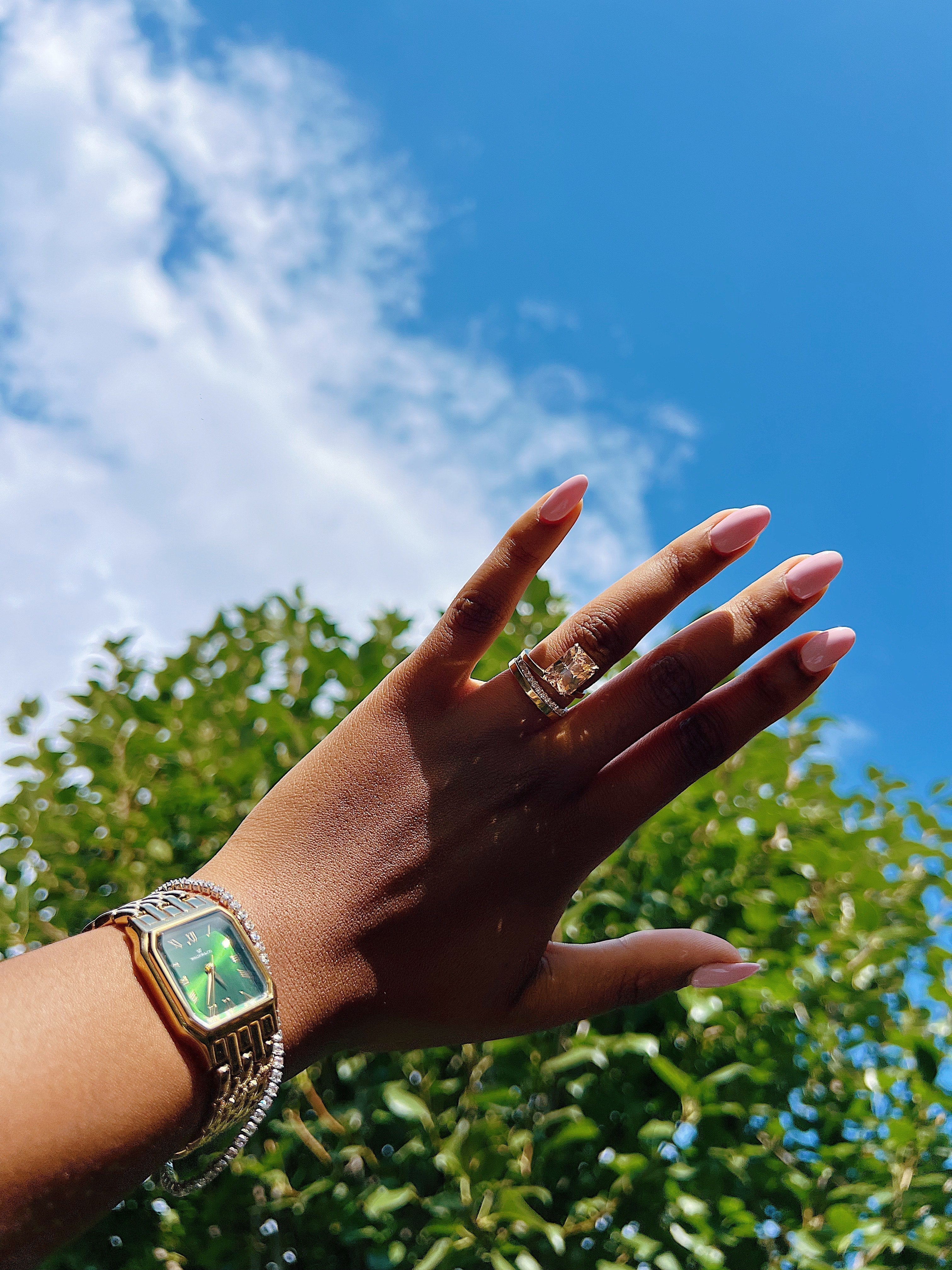
We skipped the white diamond entirely. They selected a 5.55 ct champagne yellow Ceylon sapphire instead—GIA certified, unheated, throwing these honey-rose-gold reflections depending on the light. Then came the design twist: a double band. One with micro-pavé diamonds, one plain, angled. Breaking typical "engagement ring rules" whilst somehow feeling more timeless than conventional designs.
The yellow gold for warmth. This ring doesn't look like anyone else's because their relationship doesn't sound like anyone else's. That wasn't an accident. That was the entire point.
Translating Feeling Into Form
The brief that makes us sit up and pay attention isn't "I want a sapphire ring." It's when someone tries to explain a feeling and trusts us to translate it into something wearable.
"Like a burst of light around the blue."
That's what she said when describing the halo design she wanted. Blue had been "their colour" ever since. She wanted something nobody else had, but more than that, she wanted the ring to carry that memory forward.
Together they chose the 3.01 ct Ceylon sapphire—completely unheated, the kind of blue that stops conversation mid-sentence—gave us the ocean. The sunburst halo became the sun: mixed baguettes and rounds arranged like rays of light, hugging one side of the pear shape. Set in yellow gold because it needed that warmth and beautifully suited her skin tone.
When she saw it, she was emotional. The good kind. The kind that means: you understood what I couldn't quite articulate.
Sometimes the translation work is less about memory and more about navigating the space between "traditional" and "what actually makes sense for us." The clients who came in wanting "something different" needed us to understand that fine line—unique enough to feel personal, conventional enough to not invite constant explanation.

The 3.09ct teal sapphire gave us the colour story—unheated, GIC certified, that impossible-to-categorise quality that shifts between blue and green depending on the light. But the kite diamonds? That's where the difference crystallised. Not rounds. Not baguettes. Kites. Two geometric diamonds held in delicate V-shaped claws, complementing the sapphire's pear-shaped setting. Modern, architectural, like jewellery having a conversation with contemporary art.
That moment when someone recognises their own taste reflected back—even though they couldn't have articulated it beforehand—is why custom exists. It's not about making what you ask for. It's about understanding what you mean when you're still figuring out how to say it.
The second time someone walks through our door, though, the translation work is different. They already know we understand. Now they're testing whether that understanding was a fluke or a foundation.

This 2.10ct unheated Ceylon sapphire—emerald cut, set in two-tone yellow and white gold—went to Malaysia. To someone who'd already commissioned a pendant from us. She knew we understood what she meant when she described what she wanted. The special ring commission that followed wasn't just about the sapphire or the setting. It was trust made tangible. She wanted an emerald cut because she knows what she likes, and what she likes is clarity without fuss. Yellow gold for warmth, white gold for precision in the setting. Bold and quiet simultaneously, which shouldn't work but does.
That return visit—when someone comes back for another Deliqa piece—matters the most.
The Completists
Some people think in systems rather than individual pieces. When one client commissioned their 3.08 ct vivid sky blue Ceylon sapphire trilogy ring, she didn't stop there.

He surprised her with a matching pair of 0.50 ct each natural diamond studs in the same yellow gold. This wasn't an afterthought. It was part of his vision from the start. Same elegance, same warmth, same cohesive story told in different volumes. Not trying it out. Not seeing how she felt. Knowing.
Where the Real Work Begins
Ten stories. Ten sapphires. Ten different versions of what it means to pay attention—to a partner, to yourself, to the gap between what tradition says you should want and what would actually make sense for your life.
The blue sapphire cluster for the man who remembered an offhand comment six months later. The luminous bezel-set blue for the woman building her sapphire collection on her own timeline. The architectural teal pear with geometric diamonds for the client who wanted elegance with edge. The champagne double-band for the couple who decided the rules were suggestions. The sunburst for a memory that needed translating. The two-tone emerald cut for the returning client who'd already learnt to trust us. The complete set for someone who thinks in systems.
None of these rings look like each other. That's the point. Custom isn't about making variations on a theme. It's about starting from scratch every single time, with nothing but attention and intention as the foundation.
The engagement ring market talks a lot about the "perfect ring" as if it's a fixed concept waiting to be discovered. But perfection isn't hiding out there somewhere, waiting to be found on the right website or in the right shop window. It's built. Intentionally. Starting with what someone notices, remembers, files away for later when it matters.
Your version of attention looks different from all of these. Your story doesn't sound like theirs. Your sapphire—whether it's classic blue or teal or champagne or something we haven't sourced yet—will reflect something specific about how you see colour, how you think about commitment, what you need your jewellery to do when you're wearing it every day for decades.
Why work with Deliqa Gems? Because every sapphire we source comes with provenance you can verify. Our stones originate from Sri Lanka's legendary mines and Madagascar's rich deposits, each accompanied by comprehensive certification detailing characteristics and any treatments. Transparency isn't a marketing point for us—it's the foundation. When you commission a piece, you're not selecting from preset designs or compromising on what matters to you. You're starting from scratch with a Melbourne-based team who translates your story into something wearable. Whether that means remembering an offhand comment from months ago, understanding the difference between "unique" and "quirky," or recognising that building your own collection doesn't require anyone else's timeline or permission. We're here for couples who know what they want matters more than what they're supposed to want. And for individuals who've decided their milestones deserve marking with the same intention traditionally reserved for partnerships. Book a consultation when you're ready to talk about more than ring settings—about what you've noticed, what you are commemorating, what "different" actually means to you. That's where the real design work begins.

Leave a comment
This site is protected by hCaptcha and the hCaptcha Privacy Policy and Terms of Service apply.